
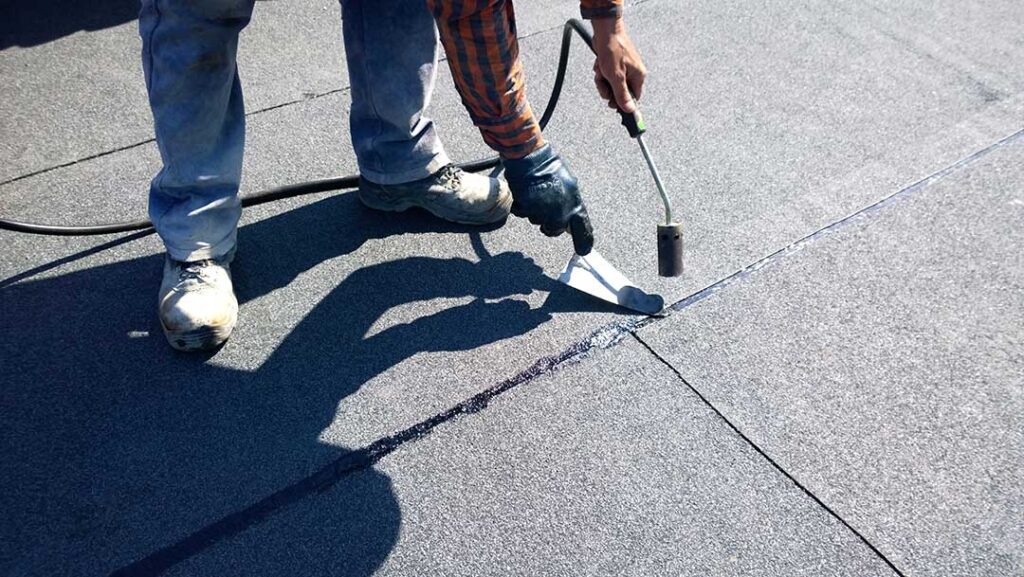
A new roof can reduce indoor allergens by stopping moisture intrusion, limiting mold-friendly conditions, and improving the building envelope around the attic and upper floors. It will not remove every source of dust, pollen, or pet dander, but a sound roof can prevent outdoor moisture and deteriorating roofing materials from adding to the problem.
For households in Johnstown, NY, this matters because seasonal temperature swings, winter snow, spring rain, summer humidity, and repeated freeze-thaw cycles can gradually expose weaknesses in roofing systems. Small leaks may not be obvious from inside the living space, yet they can affect insulation, wood framing, drywall, and air quality over time.
How can an aging roof contribute to indoor allergens?
An aging roof can allow water to reach areas where mold, mildew, and dust accumulation become more likely. Even a slow leak around a roof penetration, flashing detail, or damaged shingle may keep attic materials damp long enough to support biological growth.
Common problem areas include:
- Wet or compressed attic insulation
- Mold growth on roof sheathing or rafters
- Damp drywall near upper-floor ceilings
- Water-stained areas around chimneys, vents, or skylights
- Accumulated debris in roof valleys and drainage paths
- Deteriorating underlayment beneath the visible roofing surface
Mold spores are naturally present indoors and outdoors, so a roof does not create mold by itself. Moisture is the factor that allows mold colonies to grow. Once growth develops in an attic or concealed ceiling cavity, air movement can distribute spores into occupied rooms through gaps around light fixtures, attic access panels, ductwork, wiring penetrations, and recessed ceiling areas.
A roof may also contribute indirectly when failed ventilation causes condensation. During cold weather, warm indoor air can rise into the attic and meet cold roof surfaces. If the attic is poorly ventilated or air-sealed, condensation may dampen insulation and framing even when there is no obvious roof leak.
Does installing a new roof remove mold and allergens?
No. A new roof can correct a source of moisture, but it does not automatically remove mold, contaminated insulation, settled dust, or allergens already present inside the building.
Roof replacement is most effective when it is treated as one part of a larger moisture-control process. Before or during the work, the affected areas should be examined for:
- The extent of water damage
- Damp or mold-affected insulation
- Soft or deteriorated roof decking
- Staining on rafters and ceiling materials
- Inadequate attic ventilation
- Air leaks between the living space and attic
- Moisture coming from plumbing, bathrooms, or heating equipment
If mold is visible over a large area, keeps returning, or involves heavily damaged materials, specialized assessment may be necessary. Porous materials such as insulation, ceiling tile, and some drywall often cannot be fully cleaned once they have been significantly contaminated. Simply covering them with new roofing materials does not solve the indoor air problem.
What roofing features help reduce allergen-related moisture?
A new roof helps most when it manages water and attic conditions as a complete system. The visible shingles or roofing panels are only one layer.
Important components include:
Reliable flashing
Flashing directs water away from vulnerable transitions, including roof edges, valleys, chimneys, wall intersections, and plumbing vents. Failed or poorly installed flashing is a frequent cause of localized leaks. Because these leaks may occur only during wind-driven rain or melting snow, they can be difficult to detect during a routine visual inspection.
Sound underlayment
Underlayment provides an additional water-resistant layer beneath the roof covering. It can help protect the roof deck if water gets beneath shingles or if wind-driven precipitation reaches vulnerable areas.
Proper drainage
Gutters, downspouts, roof slopes, and valleys must move water away from the structure. Clogged or poorly draining systems can allow water to back up beneath roofing materials or soak exterior walls and fascia. Overflow near the roof edge may eventually affect attic insulation or upper-floor wall cavities.
Balanced attic ventilation
Attic ventilation helps manage heat and moisture, but more ventilation is not always better. Intake and exhaust openings should work together, and ventilation should not be used as a substitute for sealing major air leaks from the living space.
Air sealing
Air sealing reduces the movement of warm, moist household air into the attic. Areas that may require attention include the attic hatch, plumbing penetrations, electrical openings, duct connections, and gaps around ceiling fixtures.
Can a new roof help with pollen and outdoor dust?
Only indirectly. A roof replacement does not filter pollen from the air, and most pollen enters through doors, windows, clothing, pets, and mechanical ventilation. However, a roof that prevents dampness can reduce the conditions that allow pollen and household dust to combine with mold growth.
Roof-related moisture can also make dust cling to damp surfaces, degrade insulation, and create musty odors. Correcting the moisture source may improve comfort, but regular cleaning and ventilation practices are still needed to address ordinary seasonal allergens.
During spring and summer, residents may reduce tracked-in pollen by removing shoes near entryways, washing bedding regularly, cleaning window screens, and using properly maintained heating or cooling filters. These steps address sources that a new roof cannot.
What signs suggest roof-related indoor air problems?
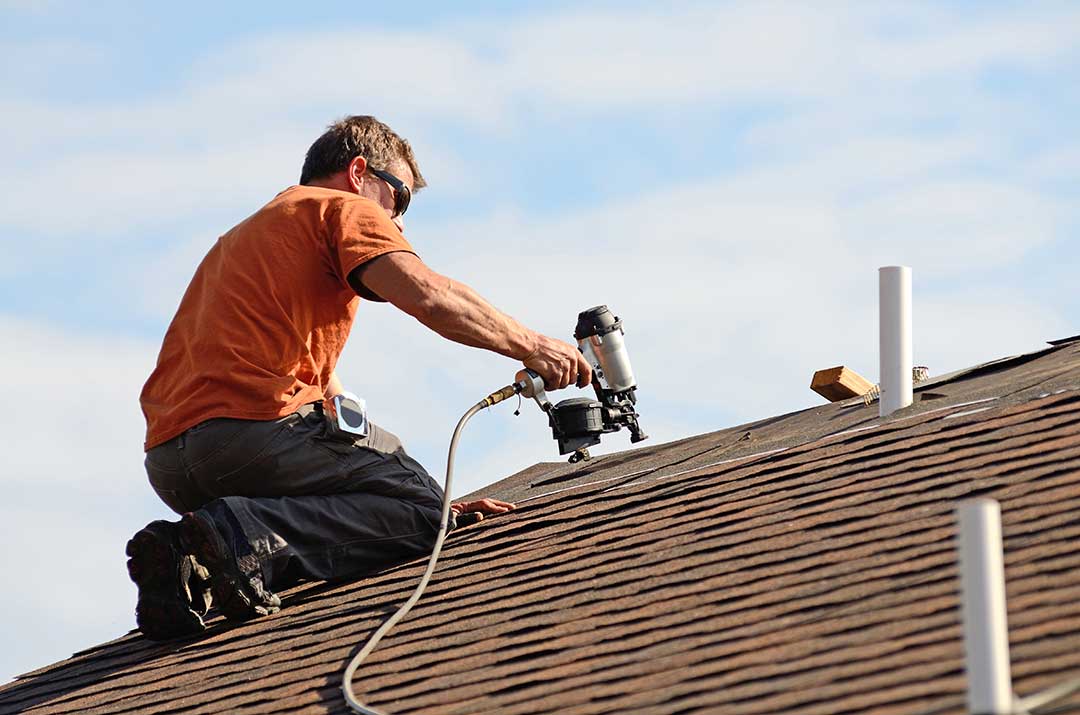
Musty odors, recurring ceiling stains, peeling paint, and visible mold can indicate moisture intrusion. Other clues may be less obvious.
Watch for:
- Allergy symptoms that seem worse in rooms beneath the attic
- Damp or clumped attic insulation
- Rusted fasteners or dark staining on roof framing
- Condensation on the underside of the roof deck
- Repeated patches on upper-floor ceilings
- Sagging drywall or bubbling paint
- Ice buildup at roof edges during winter
- A history of leaks after heavy rain or rapid snowmelt
These signs do not prove that the roof is the only cause. Indoor allergens may also come from basements, plumbing leaks, humidifiers, pets, carpets, or poorly maintained heating and cooling equipment. A building-wide assessment is more useful than assuming every air-quality concern begins with the roof.
How do local seasonal conditions affect roof-related allergens?
Cold winters can increase attic condensation when heated indoor air escapes through ceiling penetrations. Snow and ice can also conceal damaged shingles or flashing until melting occurs. During spring, repeated rain and snowmelt can expose weak drainage points. Summer humidity may slow the drying of damp materials, especially in shaded or poorly ventilated roof spaces.
Older homes may have several layers of past repairs, mixed roofing materials, enclosed attic areas, or insulation that has settled over time. These conditions can make moisture pathways difficult to identify. A roof may appear serviceable from the ground while hidden damage exists around penetrations or beneath the roof covering.
What should happen after a new roof is installed?
Indoor allergen concerns should be checked after the moisture source has been corrected. The attic and upper-floor areas should be allowed to dry, and damaged insulation or building materials should be handled according to their condition.
Useful follow-up steps include:
- Confirming that previously wet areas are dry
- Replacing insulation that is moldy, saturated, or badly compressed
- Cleaning non-porous surfaces rather than disturbing mold unnecessarily
- Sealing attic bypasses between the home and roof space
- Checking bathroom and kitchen exhaust ducts for proper discharge
- Maintaining reasonable indoor humidity
- Replacing filters according to the equipment and household conditions
- Watching for recurring stains or odors after rain and snowmelt
The main health benefit of a new roof is moisture control. It can remove a pathway for leaks, condensation damage, and mold-friendly conditions, but cleaner indoor air depends on addressing the entire building envelope and the household sources of allergens.
