

Can You Safely Address Roof Repairs During a Crisis?
Yes, it is possible to handle roof repairs during public health emergencies or other crisis situations, but it requires extra caution and planning. Safety, local restrictions, and access to materials may all impact how repairs should be approached, particularly in times when minimizing contact or disruptions is necessary.
Residents in Johnstown, NY face unique challenges related to weather, older housing stock, and state or county health guidelines. Understanding how to respond wisely can help prevent both property damage and unnecessary health risks.
What Are the Most Urgent Roof Problems to Address Right Away?
Certain roof issues require prompt attention, regardless of outside circumstances:
- Leaks that allow water into living spaces
- Visible structural damage after a storm or heavy snowfall
- Sagging or partial collapse
- Severely damaged flashing around chimneys or vents
Delaying urgent repairs can lead to mold development, compromised insulation, or even structural hazards, which are particularly concerning in Johnstown where heavy snow and rain are common.
When immediate work is needed, consider only using emergency access points (like attic hatches or exterior ladders) to limit contact inside your home.
How Can You Minimize Health Risks If Outside Help Is Needed?
If in-person assistance is truly necessary, effective communication and risk mitigation are critical. During periods such as the COVID-19 pandemic, or other situations that require limiting close contact, residents can:
- Request all communication and planning be completed by phone, video call, or email
- Ensure anyone entering the home adheres to health guidelines, such as wearing masks and maintaining physical distance
- Assign a separate bathroom or entryway for workers if possible
- Limit the number of people present at any given time
Outdoor work should be prioritized whenever practical, as most roofing repairs do not require technicians inside the living space.
Is DIY Roof Repair Advisable During Crisis Times?
DIY repairs can be tempting when professional services are difficult to arrange or when residents prefer to limit contact with others. However, self-repairs are only suitable for minor problems, and strong caution is advised.
Tasks that area homeowners may consider—if comfortable working on ladders and roofs—include:
- Replacing a few missing shingles after a windstorm
- Cleaning out clogged gutters to stop overflows
- Placing a tarp over a small damaged area until repairs are possible
DIY methods should not be used for large leaks, structural problems, or anything involving electrical hazards. In Johnstown, where roofs can be steep and slippery during much of the year, take extra care regarding fall risks.
How Do Weather and Seasonal Changes Affect Roof Repairs Locally?
Johnstown experiences frequent precipitation, cold winters, and rapid weather shifts, which can all complicate roof work. When a crisis coincides with challenging weather, residents should:
- Use temporary weather-resistant coverings for leaks until full repairs are practical
- Check attic spaces frequently for signs of water intrusion, particularly after heavy snow and thaw cycles
- Avoid working on icy or wet roofs whenever possible
Often, materials like tarps, roofing cement, and plastic sheeting should be kept on hand for emergency use. These supplies can often bridge the gap until full repairs are feasible.
Where Can You Access Roof Repair Materials or Assistance Safely?
Supply shortages and limited retail hours can make it difficult to source roofing materials during a public shutdown or supply chain interruption. Try these strategies:
- Call ahead to local hardware stores to verify product availability and curbside pickup options
- Order items for delivery whenever possible to avoid crowded spaces
- Reserve extra basic supplies (such as shingles, sealant, and fasteners) during seasons when storms are likely
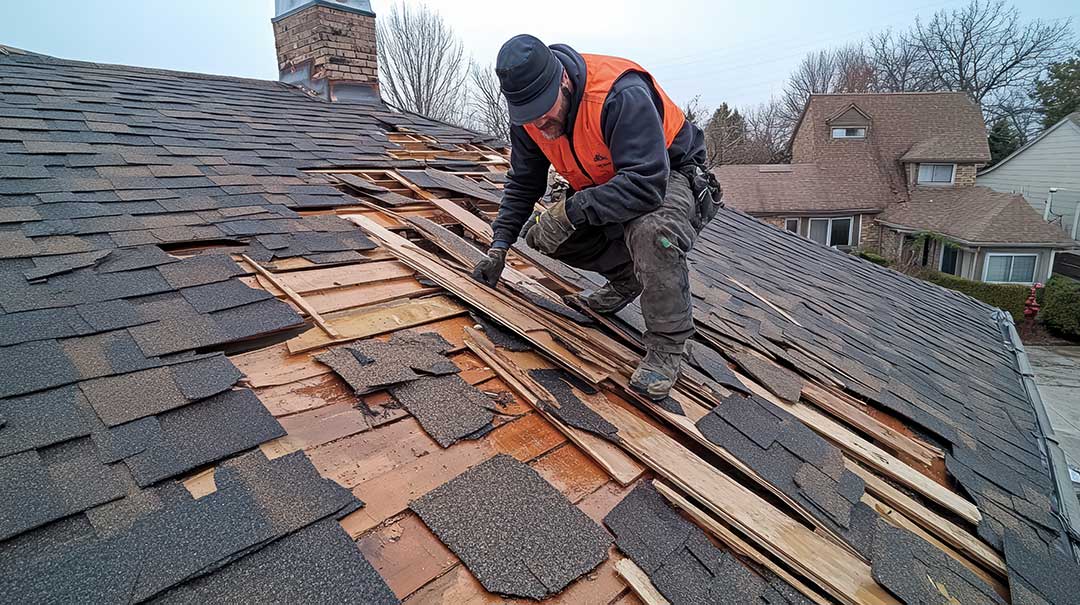
Check your homeowner’s insurance for remote claim and inspection options, as some providers may offer contact-free evaluations for storm damage.
How Can Residents Avoid Unnecessary Damage During Extended Emergencies?
Proactive maintenance and early intervention can minimize the need for complex repairs during disruptive periods:
- Maintain gutters and downspouts each fall to prevent roof rot and ice dams
- Schedule regular attic inspections for signs of leaks or mold
- Remove debris and overhanging branches to reduce wind damage risk
Residents sometimes overlook attic ventilation—ensuring this is clear helps reduce moisture problems, especially during periods when homes are closed up or weather conditions fluctuate.
What Should You Watch Out for With Temporary Repairs?
Emergency patches and DIY fixes are sometimes unavoidable, but remember these key points:
- Temporary materials are usually not watertight for more than a few weeks in harsh upstate weather
- Keep inside areas as dry as possible to prevent mold and damage to insulation or drywall
- Document any repairs or water issues with photos in case long-term repairs or insurance claims are needed
Misinformation about easy fixes is common; always be cautious with online or secondhand DIY methods, particularly those that may not suit local climate realities.
Are There Local Rules or Assistance That Could Impact Repairs?
During official states of emergency or public health orders, certain types of work may be paused or restricted. Area residents should:
- Watch for announcements from municipal or county authorities about construction limits
- Reference any local disaster recovery resources for financial or technical help
- Confirm that work carried out complies with city building codes, particularly for structural repairs
In some cases, temporary waivers or assistance programs may be available after storms or during declared public emergencies.
