
What Safety Hazards Should Homeowners Watch for on Rooftops in Johnstown, NY?
Roof work poses real risks, whether it’s a minor inspection or cleaning out the gutters. Common hazards in Johnstown include falls, loose shingles, slippery moss, and electrical lines. Regional weather patterns—like heavy snowfall, frequent freeze-thaw cycles, and wet leaves—make surfaces especially treacherous. Homeowners should recognize that even single-story roofs here can lead to serious injury without proper precautions.
How Can Weather in Johnstown Affect Rooftop Safety?
Weather plays a major role in safe roof access in the city. Icy patches and lingering snow in winter, as well as early morning dew or rain-soaked surfaces in spring and fall, can turn shingles into hazard zones. Temperatures often fluctuate above and below freezing, increasing the risk of black ice or unexpected slipperiness. Even on dry days, wind gusts can catch ladders or tools, causing a fall hazard. Area households should prioritize dry, calm conditions and always check the forecast for sudden changes.
What Precautions Should Be Taken Before Going on the Roof?
Start by planning each step and gather all necessary gear before climbing. Double-check that you have:
- A sturdy, non-slip ladder, tall enough to reach the roof comfortably without overreaching.
- Shoes or boots with clean, rubber soles—leave muddy or smooth-soled footwear indoors.
- Well-fitting gloves for added grip and hand protection.
Inspect your ladder before use and secure it on flat, stable ground. If possible, have another adult nearby on the ground for extra safety, especially during icy or windy seasons local residents commonly experience. Never use a ladder during high winds or when visibly tired.
Is Protective Equipment Needed for Basic Homeowner Roof Tasks?
Some light maintenance chores—like clearing gutters or removing branches—can be done safely with minimal gear if proper care is taken. However, for most work above ground level, especially on sloped Johnstown roofs, additional protection is advised:
- A safety harness, securely anchored to a strong roof structure, can prevent severe injury during a slip.
- Protective eyewear keeps debris and dirt from impairing your vision.
- Hard hats are wise for fall-prone areas or homes with dense tree overhang.
DIY safety systems can be found at home supply stores, but read instructions carefully to ensure anchor points are correctly placed. Avoid makeshift systems, which often fail during sudden slips.
Are There Local Hazards Unique to Johnstown Roofs?
Homes in the city often have older roofing structures, which may feature loose slates or weakened decking hidden beneath shingles. Many properties are lined with mature maples and pines—these drop twigs, needles, or wet leaves, creating extremely slick conditions after storms. In periods of heavy snowfall, snow loads can obscure potential hazards or block vents, requiring extra vigilance.
Electrical lines may run close to rooftops on some streets. Always visually confirm the location of power lines before using ladders or tall tools, keeping at least ten feet away at all times.
How Can Falls Be Prevented During Basic Roof Inspections?
Minimize time spent walking on the roof by using binoculars from the ground to check for obvious damage first. If you must climb up, do so with clear, slow movements. Keep three points of contact (two hands and one foot, or two feet and one hand) while ascending and descending ladders.
While on the roof, avoid walking on the steeper side or over dark, damp patches that may indicate moss or algae. Try to work in pairs whenever possible—someone on the ground is essential for extra safety and can assist if there’s an emergency.
What Tools and Supplies Are Safest for Minor Roof Tasks?
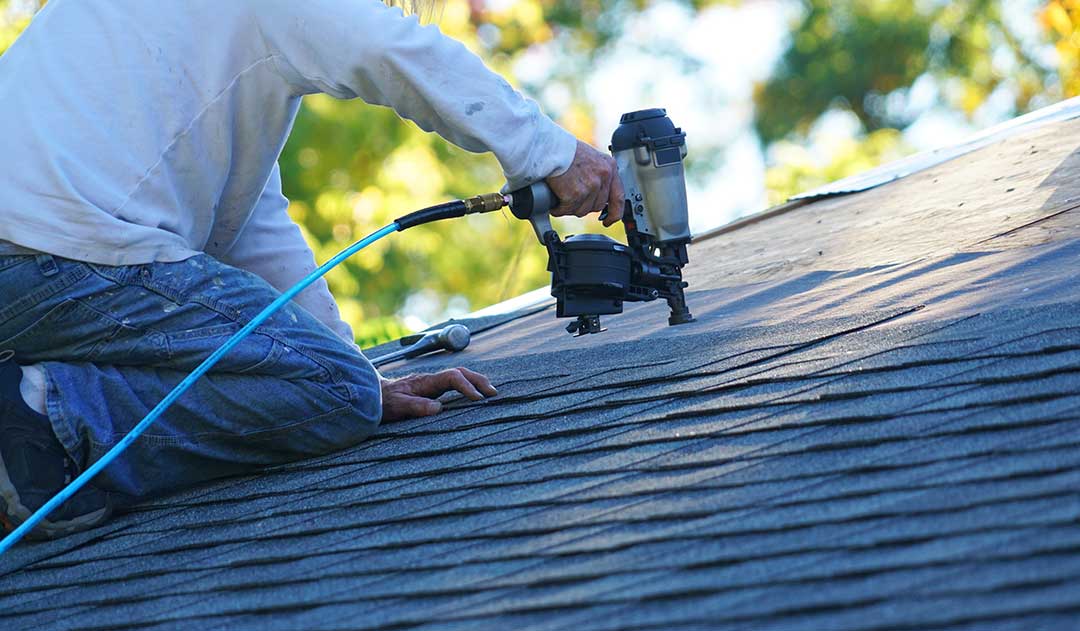
Lightweight, shingle-safe tools help local homeowners avoid causing new roof damage. Use:
- Plastic shovels for snow removal—never metal blades, which can gouge shingles.
- Roof rakes with extra-long handles allow you to clear debris or snow from the ground.
- Gutter cleaning tools with extension poles minimize time spent leaning over roof edges.
Avoid dragging heavy objects or using pressure washers, as these can dislodge older materials common on homes in Johnstown.
What Are Common Misconceptions About Rooftop Safety?
Many assume a low roof or single story presents minimal risk, but statistics show most injuries happen on these structures due to complacency. Another myth: rubber-soled shoes are always slip-proof. They’re safer, but not on icy, mossy, or severely sloped surfaces. Some believe DIY anchor points can be installed anywhere—roof integrity and underlying structure matter significantly.
Residents often underestimate how quickly local weather changes. Even if the sky is clear, conditions can shift fast, especially in the fall and winter months, compromising any previously safe surface.
When Should Homeowners Avoid Going on the Roof Altogether?
Certain conditions require strict avoidance for personal safety:
- After a heavy snowfall or freezing rain event, as hidden weak spots may collapse under weight.
- If visible damage, like sagging or missing shingles, makes walking unsafe.
- During strong winds, lightning, or storms, as conditions on the roof can become unpredictable within moments.
If you suspect underlying structural issues, prioritize safety by refraining from any rooftop access. Serious hazards—such as electric shocks from nearby lines or severely compromised roof decking—warrant immediate caution and should not be ignored.
