
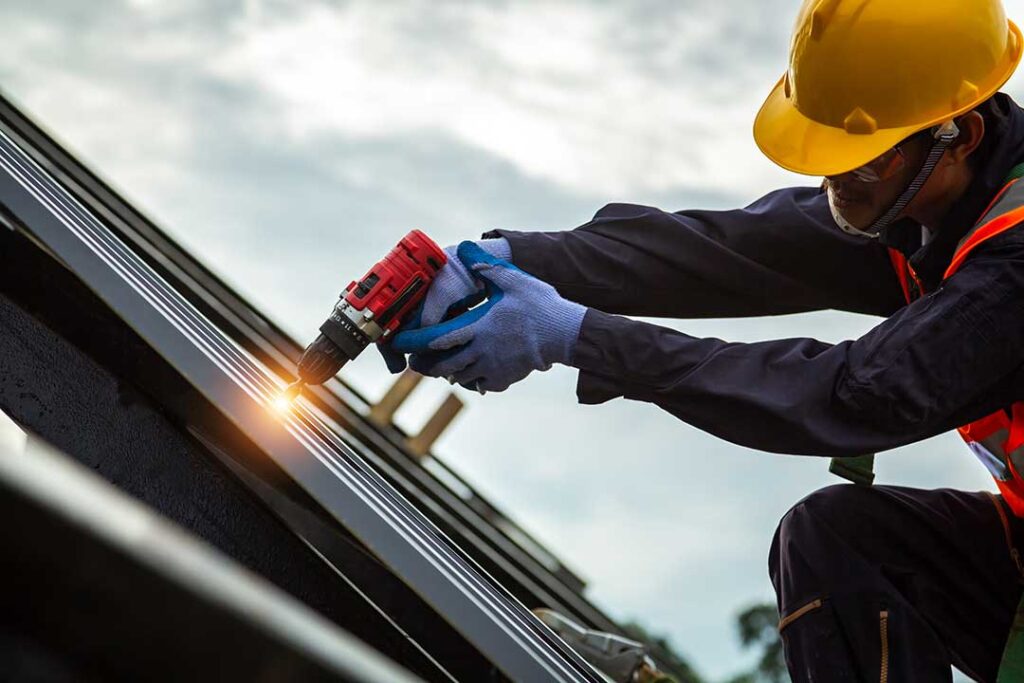
A roof can be damaged by a sudden storm, gradually weakened by age, or affected by a problem that homeowners insurance does not cover. Understanding the difference matters because the cause of the damage often determines whether a claim is paid, partially paid, or denied.
For residents of Johnstown, NY, seasonal snow, ice, wind, rain, and freeze-thaw conditions make roof maintenance and policy review especially useful before a problem develops.
Does homeowners insurance cover roof damage?
Homeowners insurance generally covers sudden, accidental damage caused by a covered event, such as wind, hail, falling objects, fire, or the weight of certain weather-related conditions. It usually does not cover ordinary aging, poor maintenance, rot, or a roof that has simply reached the end of its useful life.
A useful distinction is:
- Storm damage: A wind event tears shingles from the roof or a tree limb punctures the roofing system.
- Maintenance-related damage: Long-term leaks, deteriorated flashing, moss-related deterioration, or worn-out shingles allow water to enter.
- Construction or installation problems: Defective materials or poor workmanship may fall outside the homeowners policy and may involve a warranty or separate legal issue.
The National Association of Insurance Commissioners describes homeowners insurance as protection against covered perils, not a maintenance contract. Homeowners remain responsible for routine upkeep, including addressing a roof that begins to leak because of age or deterioration. ([content.naic.org](https://content.naic.org/sites/default/files/publication-hoi-pp-consumer-homeowners.pdf?utm_source=openai))
What roof problems are commonly excluded?
Policies differ, but several exclusions appear frequently:
- Normal wear and tear
- Neglect or failure to make reasonable repairs
- Rot, mold, or deterioration caused by long-term moisture
- Damage from insects, birds, rodents, or other pests
- Faulty design, materials, or workmanship
- Flooding or water that enters from outside in a flood
- Damage that existed before the policy began
A roof may have a covered opening caused by wind, but the insurer may still examine whether the roof was already severely deteriorated. For example, if a storm removes several sound shingles from an otherwise serviceable roof, coverage may be more likely than if old, brittle shingles fail during ordinary weather.
Flood damage is generally excluded from standard homeowners policies. Separate flood coverage may be available, and water-backup protection may require its own endorsement. The New York State Department of Financial Services distinguishes flood losses from sewer or sump-pump backup, which may be addressed through different coverage provisions. ([dfs.ny.gov](https://www.dfs.ny.gov/consumers/help_for_homeowners/insurance/basic_coverage?utm_source=openai))
What is the difference between replacement cost and actual cash value?
The difference can substantially affect the amount paid after a covered loss.
Replacement cost coverage is intended to pay the cost of repairing or replacing damaged property with materials of like kind and quality, subject to the policy terms, limits, deductible, and required repairs.
Actual cash value coverage subtracts depreciation for age and wear. A roof that is many years old may have a much lower actual cash value than the cost of installing a new roof.
Some policies provide replacement-cost coverage initially but release part of the payment only after repairs are completed. Other policies apply actual cash value to older roofs or specific roofing materials. The declarations page and endorsements should be reviewed rather than relying on a general statement that the home has “full coverage.” ([content.naic.org](https://content.naic.org/article/consumer-insight-searching-homeowners-insurance-policy-tips-get-most-value?utm_source=openai))
How do deductibles affect a roof claim?
The deductible is the amount the homeowner pays before insurance contributes to a covered loss. If covered repairs cost $8,000 and the deductible is $2,000, the potential insurance payment would generally be limited to the covered amount above that deductible.
Some policies use separate deductibles for wind, hail, or hurricanes. In New York, applicable windstorm or hurricane deductibles must be disclosed, and certain deductibles may be calculated as a percentage of the home’s insured value rather than a fixed dollar amount. ([dfs.ny.gov](https://www.dfs.ny.gov/consumers/help_for_homeowners/insurance/basic_coverage?utm_source=openai))
This matters when deciding whether to report a smaller roof loss. A claim that is only slightly above the deductible may provide limited financial benefit, while a significant covered loss may warrant prompt notice. The decision should be based on the policy language and the facts of the damage, not on a contractor’s assumption about coverage.
What should a homeowner do after a storm?
Safety comes first. Do not climb onto a wet, icy, steep, or visibly unstable roof. From the ground or a safe interior location, document what can be seen.
Useful steps include:
- Take dated photographs or video of fallen branches, missing shingles, damaged flashing, interior stains, and water entry.
- Prevent additional damage when reasonably safe, such as placing containers under an active leak or covering an opening from the ground if possible.
- Keep receipts for emergency materials or temporary protective work.
- Notify the insurer promptly according to the policy’s claim instructions.
- Avoid discarding damaged materials before the insurer has had a reasonable opportunity to inspect them, unless they create an immediate safety hazard.
- Keep notes about when the damage was discovered and what weather occurred around that time.
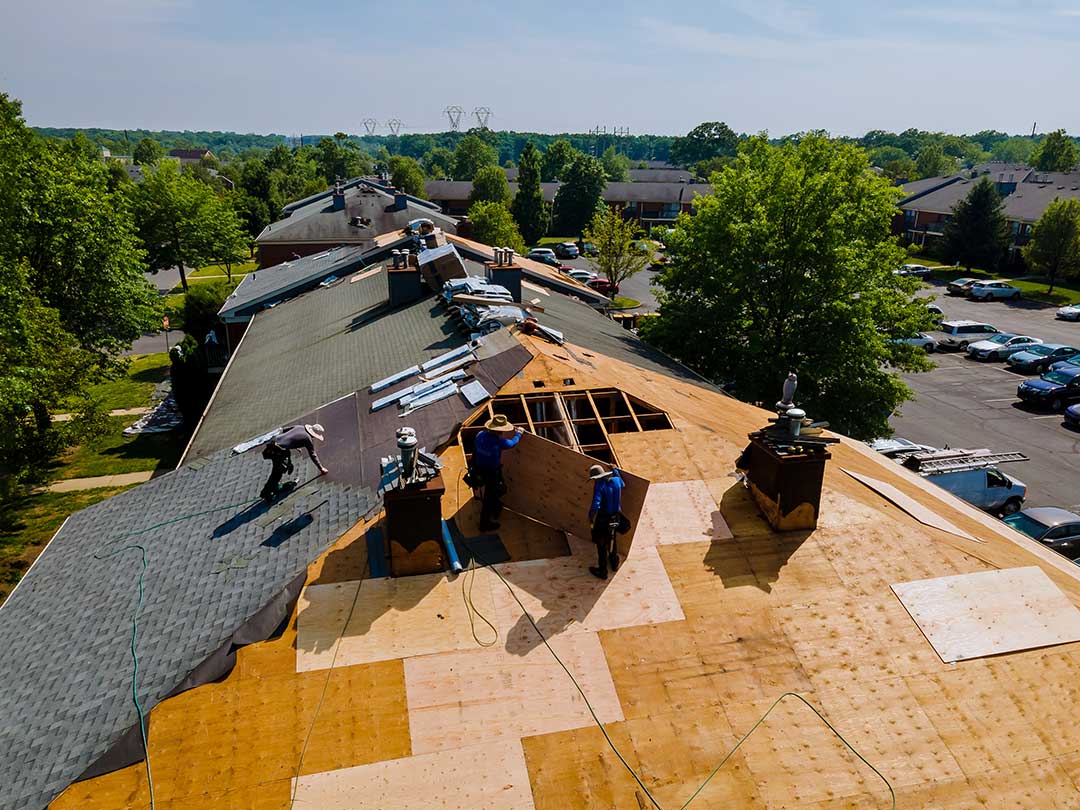
Homeowners generally have a duty to reduce further damage after a loss. That does not mean undertaking dangerous repairs or permanently replacing the roof before the claim process allows for inspection.
Can an insurer require roof repairs or documentation?
An insurer may ask for information about the roof’s age, condition, materials, prior losses, permits, invoices, inspection findings, or repair history. During underwriting or renewal, the company may also request photographs or an inspection.
A roof replacement can sometimes affect eligibility, premiums, or available discounts. New York’s Department of Financial Services advises policyholders to tell their insurer or broker about improvements and mitigation measures, including a new roof, because some upgrades may qualify for savings depending on the policy and company rules. ([dfs.ny.gov](https://www.dfs.ny.gov/consumer-insurance-discounts-savings?utm_source=openai))
That does not mean every new roof automatically lowers the premium. The result depends on factors such as roofing material, installation details, wind resistance, the home’s age, deductible, location, and the insurer’s underwriting guidelines.
How can homeowners prepare before a loss?
Review the policy at least once a year and after major home improvements. Pay particular attention to:
- The dwelling coverage limit and whether it reflects current rebuilding costs
- Roof settlement terms, including any age-based limitations
- Wind, hail, and other special deductibles
- Water-backup and flood exclusions
- Additional living expense coverage if the home becomes temporarily uninhabitable
- Requirements for reporting losses and protecting property from further damage
- Whether personal property is covered at replacement cost or actual cash value
New York guidance warns that inadequate dwelling coverage can affect whether a claim is settled on a replacement-cost basis. The state also recommends reviewing coverage for inflation and confirming that the insured amount remains adequate. ([dfs.ny.gov](https://www.dfs.ny.gov/consumers/help_for_homeowners/storm_preparedness?utm_source=openai))
Keeping records is equally valuable. Save roofing invoices, inspection reports, photographs, warranties, and receipts in a secure digital location. A simple record of maintenance can help establish the roof’s age and condition if a storm-related claim later requires investigation.
The most reliable answer to “Will insurance pay for my roof?” is usually found by identifying the specific cause of damage, checking the policy’s exclusions and endorsements, and comparing the estimated covered loss with the applicable deductible.
